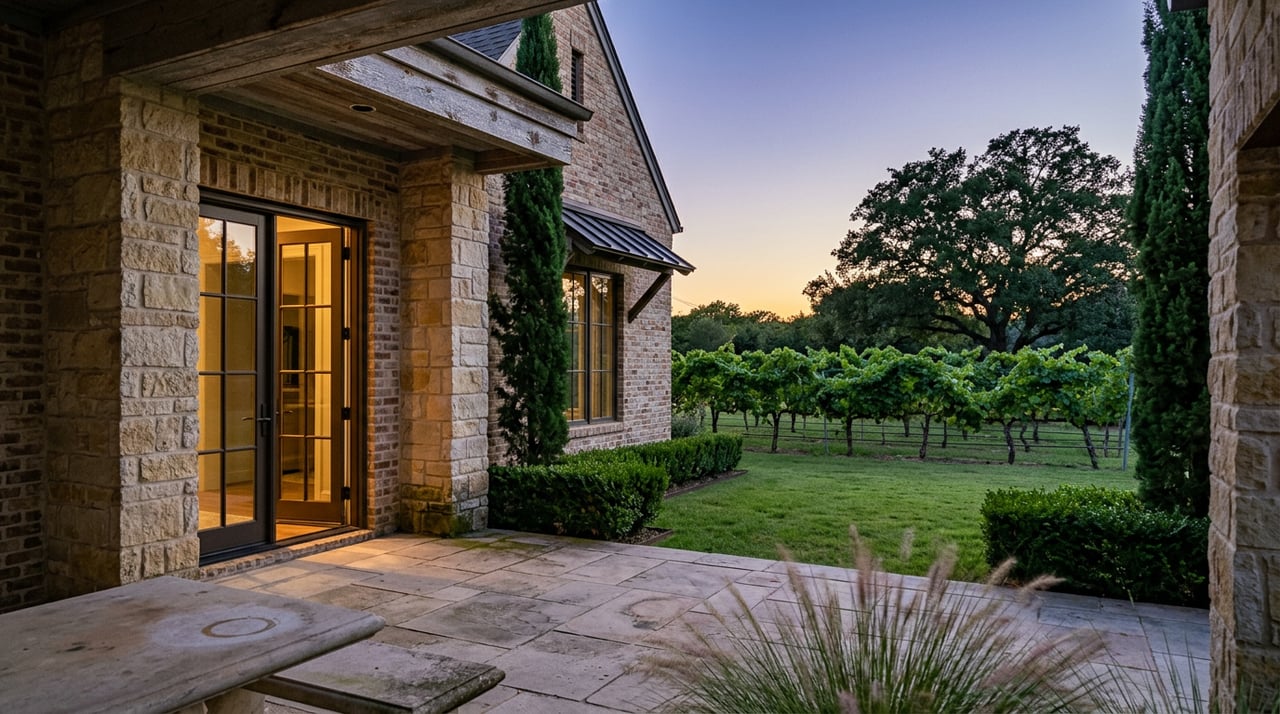
Planning a new pool, roof, or paint color in Heath Crossing? The HOA architectural review process can feel like a maze when you just want to improve your home. You care about doing things right, staying on schedule, and avoiding surprise costs. In this guide, you will learn what the Architectural Review Committee looks for, which projects need approval, how to prepare a complete application, and how city permits fit in. Let’s dive in.
What an HOA review checks
In Heath Crossing, your HOA’s Architectural Review Committee evaluates exterior changes for compliance with recorded covenants and the community’s design guidelines. This review is separate from any city or county building permits.
The committee typically reviews scale, materials, and visibility from the street. They also look for setbacks, easements, and drainage impacts that could affect neighboring lots or common areas. In North Texas, durability and hail resistance for roofing and proper stormwater management are common concerns.
Projects that need approval
Most exterior changes require review before work begins. Common examples include:
- Exterior paint or color changes
- Roof replacement or material changes
- Fences, gates, and retaining walls
- Driveways, sidewalks, and hardscape
- Room additions and accessory structures
- Decks, patios, pergolas, and arbors
- Pools, spas, and equipment screening
- Solar panel installations
- HVAC and generators with screening
- Significant landscaping, grading, or tree removal
- Satellite dishes and exterior signage
Some routine maintenance using the same materials and colors may be exempt. Always confirm exemptions in the Heath Crossing Design Guidelines before you start.
How the ARC process works
The steps below reflect common practice. Always follow the instructions in Heath Crossing’s application packet.
Pre-application check. Contact the HOA or management to discuss your project, especially if it is large or unusual. Early feedback can prevent rework.
Prepare your packet. Complete the application form and gather drawings, plans, photos, and material specs. Include color samples and manufacturer codes as required.
Submit for review. Send your packet through the method specified by your HOA or management company.
Completeness check. Management or the ARC will confirm if your packet is complete and may request missing items.
Committee review. The ARC or board performs a substantive review. A site visit may occur.
Written decision. You will receive approval, conditional approval, denial, or a request for revisions. If approved, obtain any required city or county permits before starting work.
Final sign-off. Some communities require a completion inspection or deposit refund after the work is done.
Documents to include
Submitting a clear, complete packet speeds things up. Use this checklist:
- Completed ARC application form
- Current plat or survey
- Scaled site or plot plan with distances to property lines and easements
- Elevation drawings or photos showing visible changes
- Manufacturer spec sheets for materials and products
- Paint brand and color codes with samples if required
- Contractor license and insurance information if required
- Drainage plan for projects that alter grading
- Proof of permits or note of intent to obtain municipal permits
- Neighbor acknowledgment if the guidelines request it
Typical timelines and fees
Timelines vary by community. A common cycle includes a completeness check within a few days to 2 weeks, followed by committee review within 2 to 6 weeks after a complete submission. Some committees meet monthly. For larger projects, submit 6 to 8 weeks before your planned start date to allow for revisions, permitting, and contractor schedules.
Many HOAs charge an application fee and sometimes an inspection or refundable deposit. Check the Heath Crossing application packet for the exact schedule and amounts.
HOA vs city permits
HOA approval and municipal permits are separate. You usually need both for structural work, pools, large fences, driveways, HVAC, solar, and similar projects. Confirm permitting with the office that governs your property address, such as the City of Heath or City of Rockwall. Always secure approvals and permits before construction begins.
Why applications are denied
Most denials or conditions come down to documentation or noncompliance. Common issues include:
- Missing or unclear site plans, photos, or product specs
- Non-approved materials or colors outside the design guidelines
- Encroachments into setbacks or easements
- Drainage impacts on neighboring lots or common areas
- Height, scale, or massing that exceeds limits
- Removing protected trees without required mitigation
If you receive a denial, request the specific guideline cited. Ask what changes would make the project acceptable and whether an appeal or variance is available.
If you started without approval
If work proceeds without approval, your HOA may request you stop work, modify the project, or restore the property. Monetary fines, notices, or other enforcement steps can follow under the CC&Rs and Texas law. Contact the HOA immediately, document communications in writing, and explore mitigation, appeal, or variance options.
Emergency repairs after storms
For urgent issues such as hail or storm damage, many HOAs allow immediate repairs with prompt notice and follow-up documentation. Review your guidelines for what qualifies as an emergency and what you must submit after work is stabilized.
Practical tips to succeed
- Read the governing documents first. Focus on the CC&Rs, Design Guidelines, and ARC instructions.
- Start early. Build in 4 to 8 weeks for HOA review and municipal permitting.
- Be thorough. Include clear plans, photos, product specs, and color samples.
- Think drainage. Show how runoff will be managed, especially if you alter grading or add hardscape.
- Use experienced contractors. Choose teams familiar with North Texas HOAs and local permit processes.
- Keep records. Save approvals, permits, receipts, and completion photos for future resale.
Guidance for sellers
If you plan to sell, disclose any outstanding approvals, pending applications, or violations. Unresolved issues can delay closing. Keep copies of recent ARC approvals for major exterior work and confirm that completed projects match the approved plans.
Guidance for buyers
During due diligence, request recent ARC approvals for exterior changes and verify compliance. Confirm the presence of any easements or setback constraints that could affect your future plans for pools, additions, or outdoor living spaces.
Local resources to consult
- Heath Crossing HOA governing documents and ARC application packet
- Rockwall County Clerk for recorded covenants and plats
- City permitting offices for the property’s jurisdiction to confirm permit requirements
- Community Associations Institute for best practices on architectural review
- Texas Property Code for statutes related to homeowners associations
Work with a neighborhood expert
A smooth ARC experience starts with planning, complete documentation, and clear communication. If you are preparing to buy or sell in Heath Crossing, a local advisor can help you organize due diligence, connect with vetted contractors, and position your property for success. For guidance tailored to Heath and Rockwall County, reach out to The Agency Rockwall.
FAQs
Do small repairs need HOA approval?
- Routine repairs using the same materials and colors are often exempt, but you should verify exemptions and any notice requirements in the Design Guidelines.
How long does ARC approval take in Heath Crossing?
- Timelines vary by community. Many committees decide within a few weeks of a complete submission, often aligned with monthly meetings. Check your ARC rules for exact timing.
Do I need HOA approval before a city permit?
- Municipal offices can accept permits independently, but best practice is to secure HOA approval and municipal permits before starting construction.
Are solar panels allowed in Heath Crossing?
- Solar is often permitted with placement and visibility rules. Texas law limits an HOA’s ability to unreasonably prohibit residential solar. Confirm details in your guidelines.
What happens if my project is denied?
- Ask for the written reason and the specific guideline cited, then discuss modifications or conditions that could lead to approval. Use the appeal or variance process if available.