Thinking about buying in Heath Crossing but not sure what to look for? You want a home that fits your lifestyle and holds its value over time. This guide walks you through the key checks that matter in a luxury-leaning Rockwall County neighborhood, so you can buy with clarity and confidence. Let’s dive in.
Heath Crossing overview
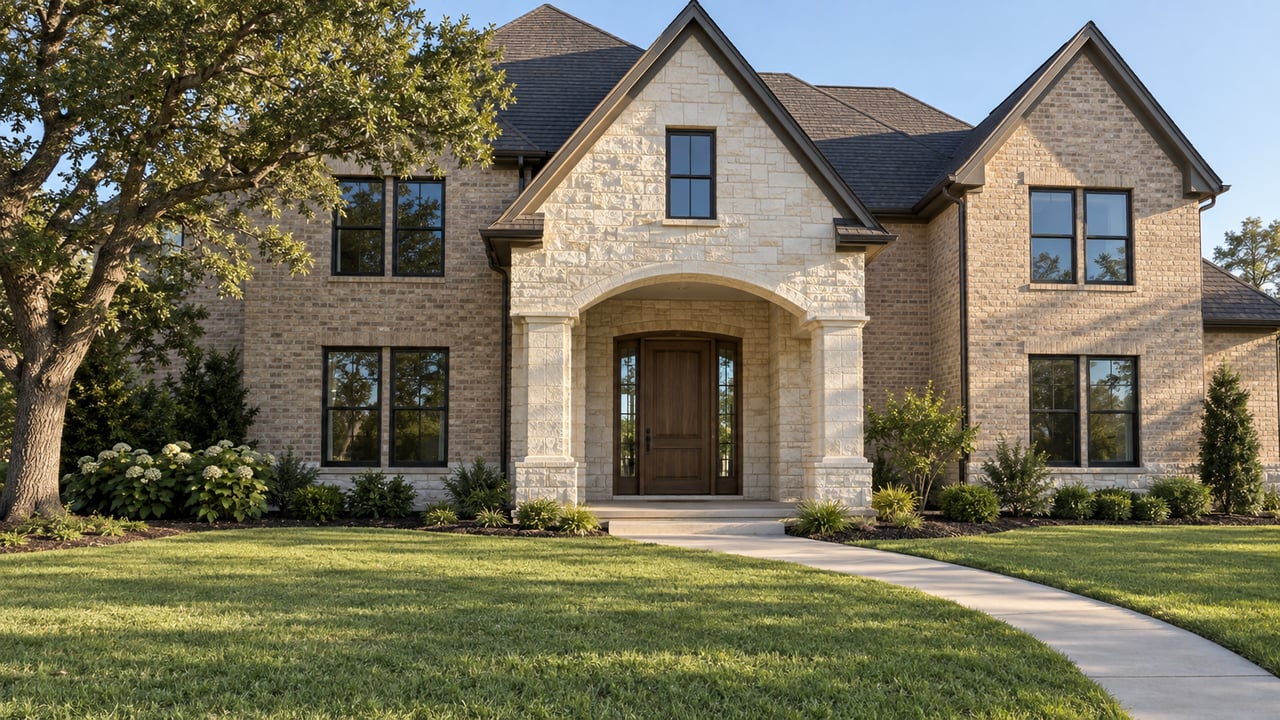
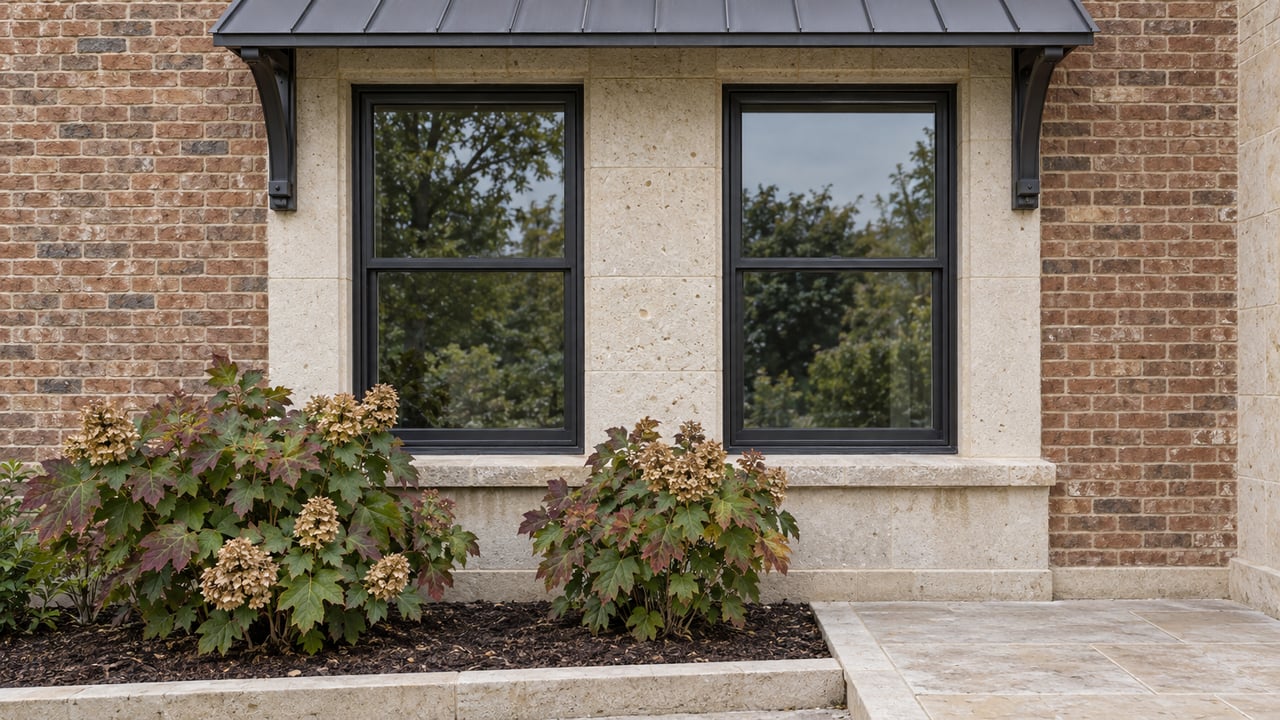
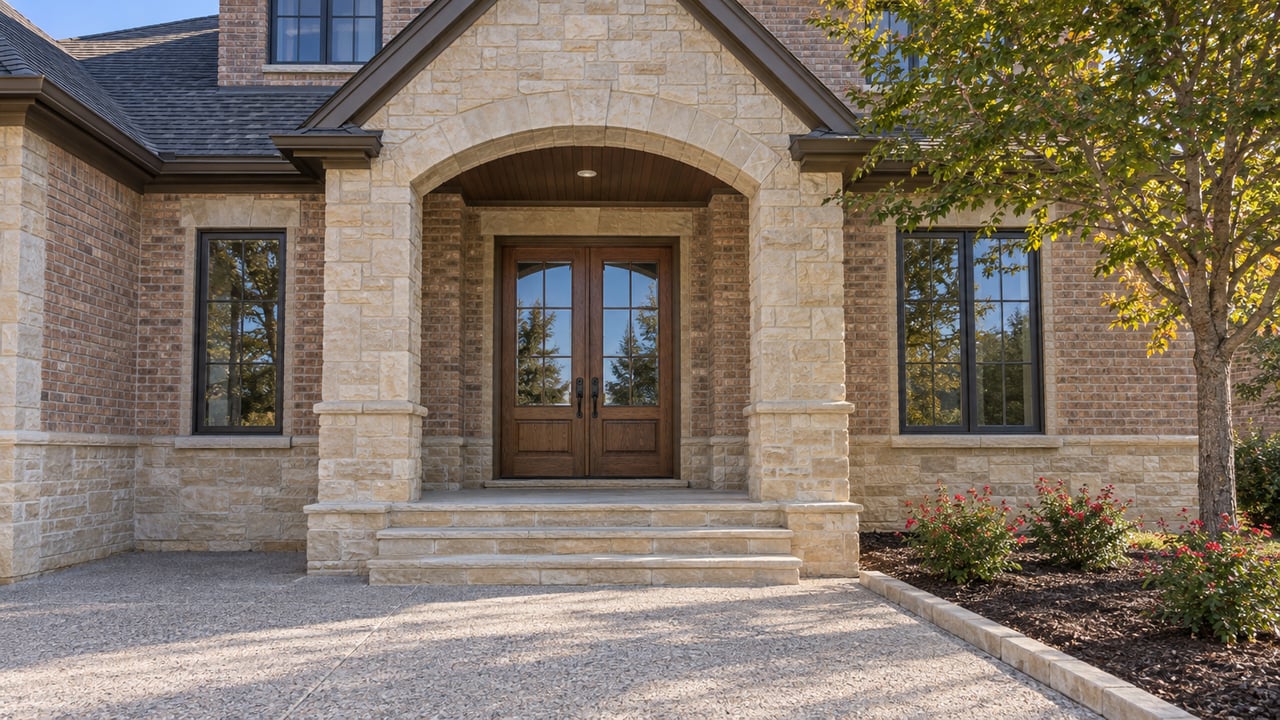
Heath Crossing sits within the Rockwall area of the Dallas–Plano–Irving metro in Rockwall County, Texas. You’ll find primarily suburban single-family homes suited for move-up and luxury buyers. Plans often include open-concept living, 3 to 6 bedrooms, and higher-end finishes like stone or brick exteriors and upgraded kitchens and baths.
Homes can range from modest lots to larger estate-style parcels. In Rockwall-area neighborhoods, lot sizes commonly run from about 0.12 to over 0.25 acre, with luxury products on larger sites. Always verify exact lot dimensions, orientation, and setback lines on the subdivision plat.
Homes and lots to expect
- Two-story plans with formal and casual living areas.
- Primary suites on either level depending on the model.
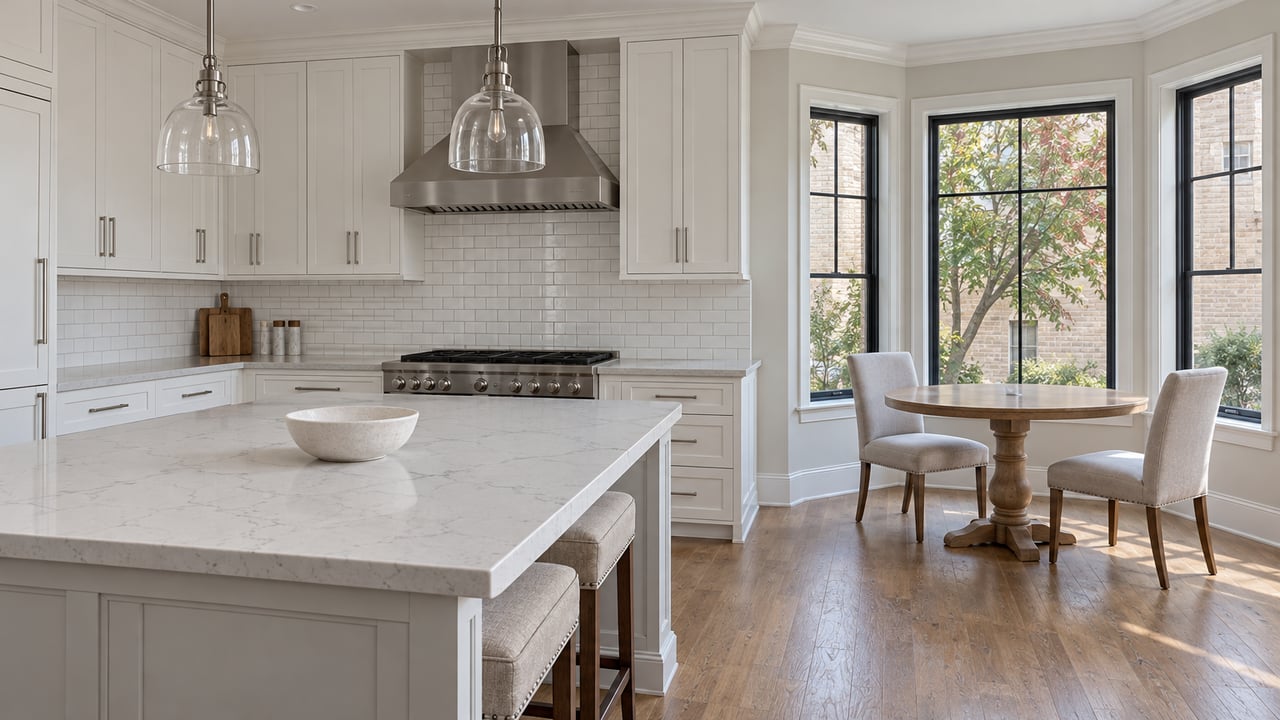
- Gas or dual-fuel kitchens, large islands, and upgraded baths common in higher-end builds.
- Deeper backyards and occasional alley access in some phases.
Builders and product mix
Expect a mix of resale and potential new construction depending on current inventory. You may see former model homes, semi-custom options, and owner-upgraded properties. If considering new construction, confirm active builder offerings and incentives before you tour.
Verify boundaries early
Subdivision names are sometimes used loosely in listing portals. Confirm the exact Heath Crossing boundaries through county GIS, recorded plats, or the HOA so your search and comps stay precise.
Market and pricing basics
For a strong offer strategy, gather fresh neighborhood data. Focus on:
- Recent list and sale prices, plus price per square foot by size and lot type.
- Days on market and the sale-to-list ratio over the last 3 to 6 months.
- Three to six closed sales that closely match your target home’s bedroom count and lot profile.
Move-up and luxury segments can see longer market times and wider negotiation ranges than entry-level homes. Check absorption and any seller or builder incentives. If inventory is tight, be ready to discuss appraisal-gap language with your agent.
HOA rules and dues
HOA policies shape your ownership experience and monthly costs. Before you commit, request and review:
- Current dues, billing frequency, and what’s covered.
- Covenants and architectural guidelines for pools, additions, fencing, exterior materials, solar, and roofs.
- Any planned or recent special assessments and the HOA’s reserve status.
- Rental rules, including minimum lease terms and short-term rental restrictions.
- Responsibility for private roads, gates, drainage, or shared amenities.
If you plan exterior changes, ask about approval timelines and past precedent. Build dues and any transfer fees into your total cost of ownership.
Inspections and contingencies
Protect your investment with the right contract terms and a thorough inspection plan.
Core contingencies
- Financing and appraisal contingency if using a mortgage.
- General home inspection with a 7 to 10 business day option period for due diligence.
- Title review and HOA resale certificate review window.
Specialist inspections
- Roof: age, material, and transferable warranties.
- HVAC: operating age and service records.
- Pool and spa: equipment condition, safety features, and leak tests.
- Termite and wood-destroying insects: standard in Texas.
- Foundation or structural: follow up if you see cracks, settlement, or prior repairs. Confirm permits and warranty transfer.
- Survey and easements: confirm boundaries and any encroachments. Order a new survey if needed.
- Flood and drainage: check flood maps and drainage easements. Get an elevation certificate if required.
Luxury buyers often prefer repair credits over seller-performed work, especially for complex systems. Clarify timelines so you have room to negotiate.
Taxes, utilities, and permits
Understanding recurring costs and compliance helps you compare homes confidently.
Property taxes and exemptions
Property taxes are set by the county appraisal district and local taxing entities. Pull the latest tax bill for each address you consider. If eligible, a homestead exemption can reduce parts of your tax burden. Verify all figures directly with official records.
Utilities and service providers
- Electric delivery is commonly through a major regional transmission and distribution provider. Confirm your options for retail electric supply.
- Natural gas is often served by a regional utility. Verify provider details and any easements on the lot.
- Water and sewer may be through the city or a municipal utility district. Ask about any MUD fees or bonds.
- Confirm trash and recycling providers, pickup schedules, and costs.
- Check availability of high-speed internet or fiber if you work from home.
Floodplain, drainage, and soils
Review FEMA flood maps and local floodplain layers to see if a property lies in a zone that typically requires flood insurance for financing. Rockwall-area soils can be variable, so request documentation of any foundation work and warranty transfer steps.
Permits and past work
Ask for permit records on major additions, pools, and mechanical replacements. Unpermitted work can affect insurance, resale, and appraisal outcomes.
Schools, commute, and amenities
If schools are a priority, confirm campus assignments for each parcel with the district’s current boundary maps. For commuting, evaluate typical drive patterns to major job centers in Dallas and Plano and check access to primary roads like I-30 and other regional routes. For lifestyle, note proximity to shopping, medical services, parks, golf, and Lake Ray Hubbard area amenities.
Use neutral, verified sources to confirm school information and programs, and remember that boundaries and offerings can change each year.
Resale and offer strategy
Pay attention to features that drive long-term value:
- Lot size, orientation, and privacy buffers.
- Home age, level of finishes, and any significant updates.
- HOA flexibility for exterior changes that future buyers may want.
- School boundary alignment, documented flood history, and any foundation records.
For offers, tailor your terms to the property and the current market segment. High-end homes may allow more negotiation, but be ready to move quickly when a best-in-class listing appears. Consider credits over repairs for specialized items and keep your option period long enough to complete inspections without rushing.
Buyer checklist for Heath Crossing
Use this practical list to stay organized from first tour to closing.
Before you write an offer
- Confirm exact subdivision boundaries and pull recent, like-kind comps.
- Request HOA dues, CC&Rs, and any pending assessments; review architectural rules if planning a pool or exterior changes.
- Ask for the seller’s existing survey and order a title commitment review period.
- Verify the latest property tax bill and any MUD or special district fees.
- Check FEMA flood maps and local floodplain data; get an elevation certificate if needed.
- Line up a general inspection and any specialists for foundation, pool, roof, HVAC, and WDI.
- Verify permits for major upgrades through the city or county.
- For new construction, obtain builder warranties, construction timelines, and an itemized list of included finishes and upgrades in writing.
At or before closing
- Review the title commitment and exceptions in detail.
- Confirm HOA resale certificate, dues, transfer fees, and estoppel amounts.
- Transfer applicable warranties, including roof, systems, and termite letters.
- Finalize homeowners and, if applicable, flood insurance quotes and coverage.
Work with a local advisor
Buying in Heath Crossing should feel exciting, not overwhelming. When you work with a team that knows Rockwall’s luxury neighborhoods, you get sharper comps, stronger negotiations, and a smoother close. If you’re ready to tour, compare options, or map out a winning offer, connect with the experts at The Agency Rockwall for a tailored game plan.
FAQs
What should I look for in Heath Crossing HOA documents?
- Review dues, billing frequency, architectural rules for pools or exterior changes, rental restrictions, and any planned special assessments.
How do property taxes work for Heath Crossing homes in Rockwall County?
- Obtain the latest tax bill for each property, verify the current tax rate, and check eligibility for a homestead exemption to reduce certain taxes.
Do I need flood insurance when buying in Heath Crossing?
- If a home is in a lender-required flood zone, insurance is typically required; verify flood zone status with FEMA maps and local floodplain data.
Which inspections are most important for Rockwall-area luxury homes?
- In addition to a general inspection, consider foundation, roof, HVAC, pool and spa, and WDI inspections, plus a survey and drainage review.
What is a smart offer strategy for higher-end homes in Heath Crossing?
- Use fresh comps, allow time for specialty inspections, and consider credits instead of seller repairs for complex items to control quality and timing.
How do I verify the exact boundaries of Heath Crossing?
- Confirm through county GIS and recorded plats, and cross-check with the HOA to avoid including or excluding nearby phases in your search and comps.