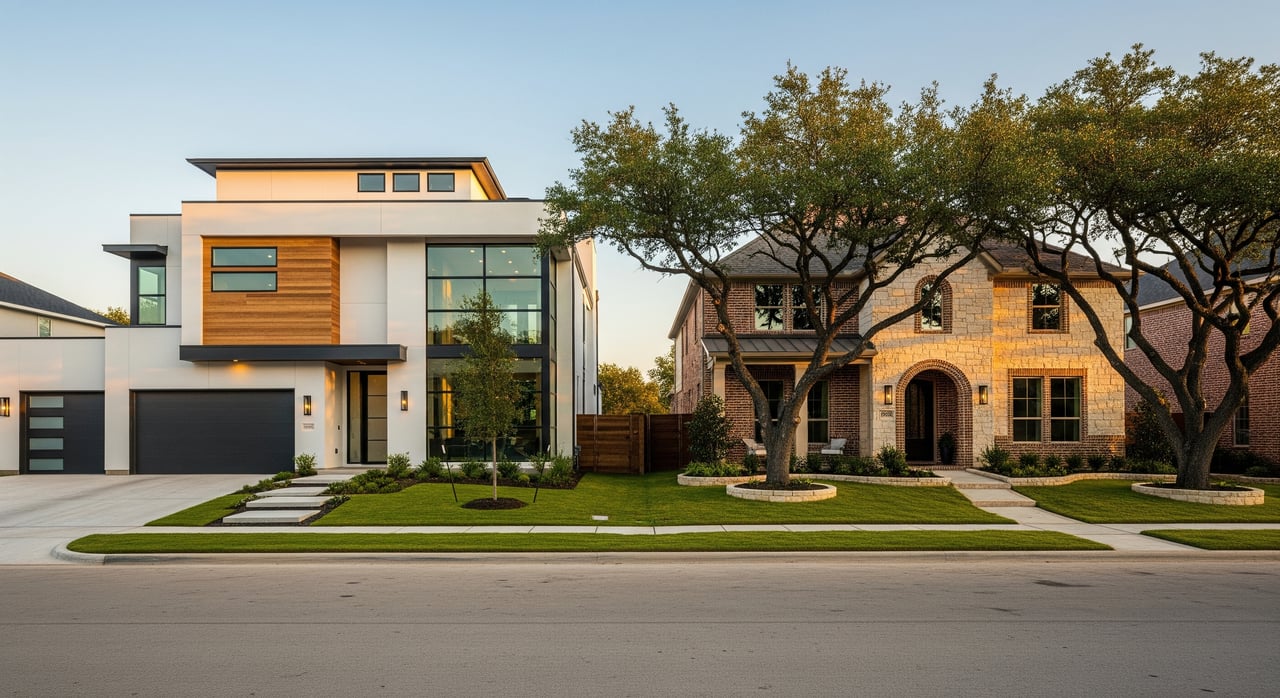
Are you torn between the clean slate of a brand-new build and the character of a resale home in Heath Crossing? It is a real decision with real tradeoffs, especially in a market shaped by Lake Ray Hubbard, active builders, and quick access to Dallas–Plano–Irving. In this guide, you will learn how pricing, timing, warranties, taxes, and resale value stack up for both options so you can buy with confidence. Let’s dive in.
How Heath Crossing buyers should think
Heath Crossing sits within the broader Rockwall area, close to major employment hubs in Dallas–Plano–Irving and the lifestyle of Lake Ray Hubbard. New phases, spec homes, HOA rules, and school district boundaries can vary by street. Before you fall in love with a property, confirm the basics: jurisdiction, school district for the exact address, HOA fees and rules, and any floodplain considerations near creeks or the lake. These details change how a home lives and what it costs over time.
New construction: Pros and cons
Advantages of new builds
- Predictable pricing structure. Builders often publish base prices with a menu of upgrades. Promotional incentives like closing cost help or interest rate buydowns are common when builders have inventory.
- Lower near-term maintenance. New systems and materials mean fewer surprise repairs in the first years.
- Personalization. If you contract early, you can select finishes, layout options, and energy features to match your taste.
Tradeoffs of new builds
- Premium pricing. Lot premiums and upgrades can push the final contract above the advertised base price.
- Appraisal risk. Appraisals rely on recent resales. If the builder price is higher than nearby comps, you may face an appraisal gap.
- Timeline. Building from the ground up can take months. Spec homes can close faster, but often include pre-selected upgrades at a higher price.
- Contract terms. Builders set specific contingency windows and closing windows; flexibility can be limited compared with traditional resale contracts.
Resale homes: Pros and cons
Advantages of resales
- Negotiation room. In many markets, you can negotiate price, concessions, and timing more than with a builder.
- Appraisal clarity. Established comparables reduce valuation surprises.
- Established setting. Mature trees, completed amenities, and proximity to existing retail and services are common in established neighborhoods.
Tradeoffs of resales
- Potential repair costs. Roof, HVAC, plumbing, or electrical items may need attention sooner rather than later.
- Fewer customization options. You may remodel to get your preferred look, which adds time and cost.
Price, incentives, and your net cost
Your total cost is more than the sticker price. On new construction, the base price plus lot premium and design options sets your outlay. Builders sometimes offset this with incentives such as closing cost credits or temporary rate buydowns. On resales, sellers may offer concessions for repairs or help with closing costs. Compare the full picture: upfront price, expected repairs, incentives, and how appraisal outcomes could change what you bring to closing.
Tip: Ask for a written upgrade and lot premium sheet for any new build you are considering, and request recent comparable sales for similar homes in Heath Crossing or nearby blocks for both new and resale.
Timing and move-in planning
- New construction: Expect a longer path if you build from scratch. Clarify the timeline to completion, what happens if there are delays, and how long your rate lock will last. If you need to move quickly, look at finished spec homes.
- Resale: You can usually close faster if your financing is ready. Inspection and repair negotiations may add time, but you often have more flexibility to set occupancy dates.
Warranties, inspections, and quality control
Most reputable Texas builders offer layered warranty coverage that commonly follows a 1-year workmanship, 2-year systems, and 10-year structural format. Exact terms vary by builder, so get the warranty document in writing and review what is excluded. Even on new homes, hire independent inspectors. Schedule a pre-drywall inspection and a detailed final inspection to create a punch list before closing.
Resales typically do not include builder warranties. Protect yourself with a full inspection package that covers general systems and, where needed, foundation, roof, and pest. Use your findings to negotiate repairs or credits.
Taxes, insurance, utilities, and HOA costs
- Property taxes: Texas relies heavily on property taxes. For new construction, the appraised value often resets higher once the home is complete, which can raise your tax bill in the short term. Confirm the current rates for the specific parcel and whether you qualify for a homestead exemption.
- Insurance: New homes built to current codes may help with some insurance costs. Proximity to Lake Ray Hubbard, local creeks, and wind exposure can affect premiums for both new and resale homes.
- Utilities: New builds often include efficient HVAC systems, modern insulation, and windows that can reduce monthly bills. Ask for energy specifications like SEER ratings and insulation R-values.
- HOA: New communities may have startup fees or planned amenity build-outs that influence dues. Review the HOA budget, fee schedule, rules, and any known special assessments.
Location, lots, and future development
New neighborhoods often add amenities over time and may be farther from established retail. Mature neighborhoods bring finished landscaping and a settled feel. In or near Heath Crossing, confirm city or county jurisdiction, planned road or retail projects, and any special taxing districts used to fund infrastructure. If the property is near a creek or the lake, review official floodplain maps and ask about drainage and elevation requirements. These factors can shape both day-to-day living and long-term value.
Resale value and future appreciation
Newness feels great, but long-term value tends to follow location, lot quality, school district boundaries, and overall neighborhood desirability. Highly customized new homes can appraise differently than nearby resales. If you are selling a resale home in a price band where new builds are active, plan your pricing and updates to compete directly with that inventory.
Buyer checklist: New construction
- Get the builder’s warranty document in writing and understand the claims process.
- Ask for the comparable sales used to set the base price and premiums.
- Confirm upgrade pricing, change-order deadlines, and total out-of-pocket cost.
- Identify any lot premium and why it applies, such as a cul-de-sac or view.
- Build inspection into your plan: pre-drywall and final. Document punch-list items.
- Discuss appraisal gap scenarios with your lender and ask the builder about price protection or incentives.
- Verify HOA fees, rules, planned amenities, and construction timelines for those amenities.
Buyer checklist: Resale
- Order a full home inspection and add specialty inspections as needed.
- Request 12 months of utility bills to estimate operating costs.
- Verify maintenance history and dates for roof and HVAC replacement.
- Review seller disclosures, and check for any open permits, code issues, or liens.
- Ask about any history of flooding or drainage complaints.
Seller playbook: Competing with new builds
- Price with precision against comparable new homes in your range.
- Tackle quick updates that deliver a fresh feel: paint, lighting, landscaping, and staging.
- Consider a pre-listing inspection to resolve major issues or price accordingly.
- Highlight what new neighborhoods lack today: mature trees, established community patterns, and convenient access to shopping or services.
Negotiation levers to know
- With builders: Ask about closing cost credits, rate buydowns, and appliance or upgrade bundles. Flexibility on closing dates or financing can strengthen your position.
- With resale sellers: Use inspection findings to negotiate repairs or credits. Strong financing and a clean offer can win on terms without overpaying.
Appraisals and financing
Appraisals for new builds often rely on nearby resale comps. If the contract price sits above those comps, you may need to cover a gap or negotiate adjustments. Talk with your lender about appraisal risk and timelines before you finalize upgrades. For resales, clean comp histories help, but condition still matters. Good documentation on updates and mechanical systems supports value and buyer confidence.
Putting it all together
If you want personalization, energy efficiency, and you have time, new construction can make sense in Heath Crossing. If you want established surroundings, faster timelines, and negotiation room, a resale may be the better fit. Either way, align your choice with your commute needs, monthly budget, school district boundaries for the address, and long-term goals.
When you are ready to compare specific homes, pricing, and terms, connect with a local team that works every day in Rockwall County and the Dallas–Plano–Irving corridor. We will help you verify the details that matter and negotiate a smart outcome. Reach out to The Agency Rockwall to discuss your plan.
FAQs
Is new construction always a better investment in Heath Crossing?
- Not always. Long-term value is driven more by location, lot quality, school district boundaries, and market conditions than newness alone.
Will my property taxes be higher on a new build near Heath Crossing?
- Often in the short term. New construction is typically appraised at recent completion value; confirm current rates for the specific parcel and any exemptions.
Do I need inspections on a brand-new home?
- Yes. Independent pre-drywall and final inspections help catch defects early and document punch-list items, even with a builder warranty in place.
Can Heath Crossing builders negotiate price or terms?
- It depends on inventory and timing. Incentives such as closing cost help, rate buydowns, or upgrade packages are often more common than direct price cuts.
How do appraisals impact new-home purchases?
- Appraisals typically rely on nearby resales. If the contract price exceeds comps, you may face an appraisal gap and need to negotiate or bring additional cash.
Are energy bills lower in new homes around Rockwall?
- Generally yes. New homes usually include more efficient HVAC and insulation; actual savings depend on installation quality and how you use the home.