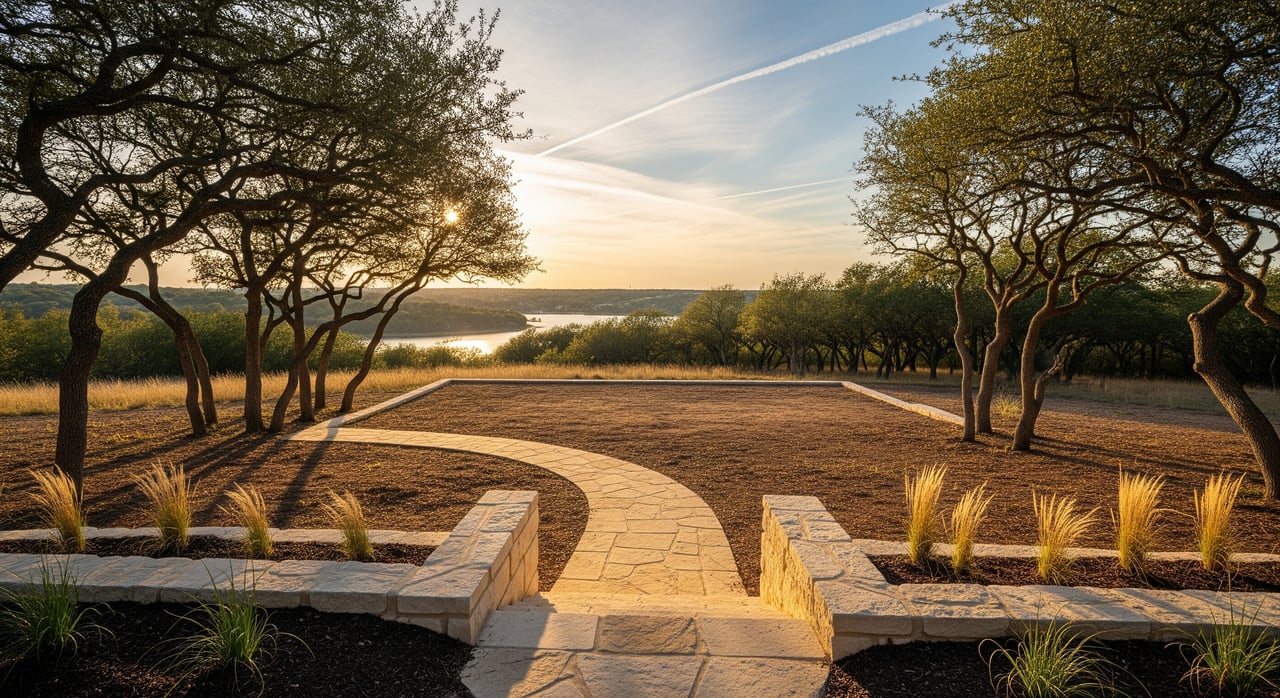
Choosing the right homesite in Heath Crossing is about more than curb appeal. In our Texas heat, the way a lot faces the sun and how it captures views can shape daily comfort, energy bills, outdoor living, and long-term resale. If you want a home that lives well today and holds value tomorrow, orientation and sightlines deserve a closer look. This guide walks you through the local factors that matter, the tradeoffs to consider, and a simple checklist you can use on any lot tour. Let’s dive in.
Heath Crossing climate: why sun and shade matter
Heath Crossing sits in a humid subtropical climate with hot, humid summers and mild winters. Late-afternoon summer sun is the biggest comfort and energy driver here. That means western and southern exposures can get intense without smart shading. At the same time, steady southern sun is useful for rooftop solar and can provide gentle winter warmth. The goal is to balance summer shading with year-round daylight and energy potential.
Orientation basics for livability
East-facing spaces
East exposure brings soft morning light and cooler afternoons. Placing breakfast nooks, home offices, or kids’ rooms on the east side creates bright starts without late-day heat. If you enjoy morning coffee on the patio or an a.m. workout room, an east-facing backyard or side yard can be a great fit.
West-facing tradeoffs
West-facing rooms and patios soak up strong late-afternoon sun. That can be pleasant in winter and for sunset light, but it also raises cooling loads in summer. If your preferred lot or floor plan puts main living spaces on the west, plan for deeper roof overhangs, high-performance glazing, and exterior shading so interiors stay comfortable when temperatures rise.
South-facing for solar and winter light
South exposure delivers the most consistent sun over the year. It is ideal for photovoltaic panels and pleasant winter daylight. Without shade, south-facing glass can create summer heat, so design in roof overhangs, pergolas, or deciduous trees that block high summer sun while allowing lower winter sun to enter. If you prioritize future solar, look for roof planes with a good south tilt.
North-facing light
North exposure offers even, diffuse light with minimal glare. It is excellent for studios, media rooms, and spaces where you want consistent illumination. North-facing patios tend to stay cooler in summer, which can extend outdoor comfort in the afternoon.
Rooftop solar orientation
In the Northern Hemisphere, south-facing roof slopes generally produce the most solar energy across the year. East and west arrays also work well but shift energy production earlier or later in the day. If solar is a priority, review your roof plan and neighboring tree lines to confirm unshaded exposure during peak hours.
Outdoor living orientation
Think about when you use outdoor spaces most. If evenings are your primary time, a north or east-facing patio will feel cooler in summer. If winter sun is more important, a south-facing patio can be delightful with the right shade strategy for warmer months. West-facing patios offer dramatic sunsets but may need shade structures and misting or fans to stay comfortable in July and August.
Views, privacy, and resale
Common view types in Heath Crossing
Lots may back to open greenspace, mature trees, a pond or detention basin, or neighboring homes. Treed or water views typically feel more private and can support resale. Interior lots often see more neighbor-to-neighbor interaction and may rely on fencing and landscaping for privacy.
What can change a view
Views are shaped by plat lines, setbacks, and easements. Utility or drainage easements at the rear can prevent structures and leave a lasting open corridor. On the other hand, planned homes on adjacent lots, future community landscaping, and tree growth can alter today’s sightlines. HOA rules can also affect fence heights, tree removal, or equipment placement that touches what you see from your yard.
Practical ways to preserve privacy
If privacy matters, check buildable envelopes on adjacent lots to anticipate window placement and second-story decks. Plan landscape buffers where allowed, and consider window placement that avoids direct sightlines. When possible, choose lots with natural elevation changes, treelines, or wider rear yards that create separation.
Lot shapes, slopes, and drainage
Lot shapes and how they live
- Rectangular lots: Efficient for siting homes and outdoor rooms, with predictable side-yard spacing.
- Pie-shaped lots: Often wider at the rear, creating a larger, more private backyard and broader view corridor.
- Corner lots: More exposure and light on two fronts, with potential for side-entry garages and flexible outdoor spaces.
- Cul-de-sac lots: Varied shapes that can deliver wide backyards and reduced traffic, but verify setbacks and usable yard depth.
Slopes and elevation
Gently rolling terrain can offer partial walkout opportunities and layered backyard spaces. Modest elevation changes can improve privacy and views, but they may require engineered drainage, retaining walls, or stepped outdoor areas. Ask who pays for lot-specific grading and walls, and review the builder’s grading plan so water flows away from the foundation.
Drainage and flood considerations
Local subdivisions include stormwater features like inlets, swales, and detention ponds. Confirm how the lot handles runoff and whether any portion lies in a mapped floodplain. Elevation relative to the street, drive, and neighbors affects how water moves during heavy rain. Proper grading, gutters, and landscape design help protect your foundation and preserve yard usability.
Soil and foundation essentials
Much of North Texas has expansive clay soils. These soils swell when wet and shrink when dry, which influences foundation design and landscape decisions. Slab-on-grade and pier-and-beam foundations are most common. Consistent irrigation, tree placement mindful of the foundation, and well-managed drainage support long-term performance. If a lot has unusual grading or you plan major hardscaping, a geotechnical opinion can be a smart safeguard.
Walk the lot: a step-by-step checklist
Use this simple process to evaluate orientation and views before you commit:
Review recorded documents
- Study the plat, lot grading plan, and any recorded easements. Read HOA covenants and architectural guidelines that cover orientation, fencing, trees, and exterior equipment.
Inspect the lot in person
- Visit in the morning, midday, and late afternoon to judge sun, shade, and glare. Stand where the kitchen, family room, and patio would go. If timing allows, return in a different season to see the effect of leaf-on versus leaf-off conditions.
Check mapping and hazards
- Confirm any floodplain or drainage features and note topography, utility lines, and planned public improvements that could influence views or yard design.
Assess solar and shading potential
- Look for clear southern roof planes and note existing trees or future planting areas. Consider how deciduous trees, pergolas, and overhangs could manage summer sun while keeping winter light.
Ask targeted questions
- What is planned for adjacent lots or future phases? Are there fence height limits, rules on tree removal, or restrictions on where HVAC and pool equipment can go? How do neighboring homes typically orient garages and windows?
Order technical checks as needed
- If slope or soil conditions are unique, ask about a topographic survey or geotechnical report. For serious solar goals, consider a shade study so you size and place arrays correctly.
Outdoor comfort strategies for Texas heat
Small design choices can make a big difference when the mercury climbs:
- Right-size roof overhangs to block high summer sun yet admit lower winter sun on south-facing glass.
- Use exterior shading like pergolas, louvers, or shade sails on west and south patios.
- Plant deciduous trees to shade summer sun while allowing winter light after leaves drop.
- Choose high-performance windows with appropriate coatings on western exposures.
- Orient seating, grills, and play areas to catch prevailing breezes and avoid glare at dinner time.
Putting it together: scenarios to guide your choice
- You want cooler evenings outside: Favor lots that allow a north or east-facing backyard and plan for soft lighting. Add a pergola or trees for extra shade over time.
- You want strong solar potential: Look for roof designs with broad south-facing planes and minimal shading from neighboring homes or trees. Pair with thoughtful south glazing control.
- You want long-term privacy: Consider pie-shaped or treed rear lots, and verify easements that keep space open. Review adjacent build envelopes to avoid direct sightlines.
- You love sunset light: A west-facing view can be beautiful. Budget for shading, upgraded glazing, and outdoor fans so you can enjoy the glow without the heat.
Work with a local advisor who knows the terrain
Every lot involves tradeoffs between light, heat, privacy, and cost. In Heath Crossing, small shifts in orientation or elevation can change your daily experience and resale story. A knowledgeable agent can help you weigh those tradeoffs, read plats and CC&Rs, and coordinate with builders on grading, shading, and view preservation. If you are comparing multiple homesites or planning a custom build, expert guidance will save you time and help you invest with confidence.
Ready to find the right lot and the right plan for how you live? Connect with the team at The Agency Rockwall for on-site guidance, document reviews, and a tailored strategy for your next move.
FAQs
What does a south-facing backyard mean for a Heath Crossing home?
- South-facing yards get steady sun year-round, which supports rooftop solar and pleasant winter light. Plan for shade structures or trees to manage summer heat.
Are west-facing living rooms a deal-breaker in Texas heat?
- Not necessarily. West exposures add late-day warmth and glare, but the right overhangs, window coatings, and exterior shade can keep interiors comfortable.
How can I protect a view from future construction in Heath Crossing?
- Review the plat and build-out plans for adjacent lots, check HOA guidelines, and look for recorded view or drainage easements. Permanent protection usually requires an easement.
Do expansive clay soils affect my lot choice?
- They affect foundation design and drainage more than orientation. Favor lots with good grading away from the home and consider geotechnical input if slopes or soil conditions seem unusual.
What should I look for on a sloped lot?
- Confirm how grading will direct water, whether retaining walls are needed, and how elevation changes influence privacy and sightlines. Ask who covers lot-specific grading costs.
When is a corner or cul-de-sac lot a good idea?
- Corner lots can offer more light and flexible driveway options, while cul-de-sac lots may provide wider rear yards and reduced traffic. Verify setbacks and usable yard depth before you decide.